Secured vs. Unsecured Loans: Which One, and When
One kind is backed by an asset you could lose; the other by your record alone. That single difference moves the rate, the risk, and who gets approved.
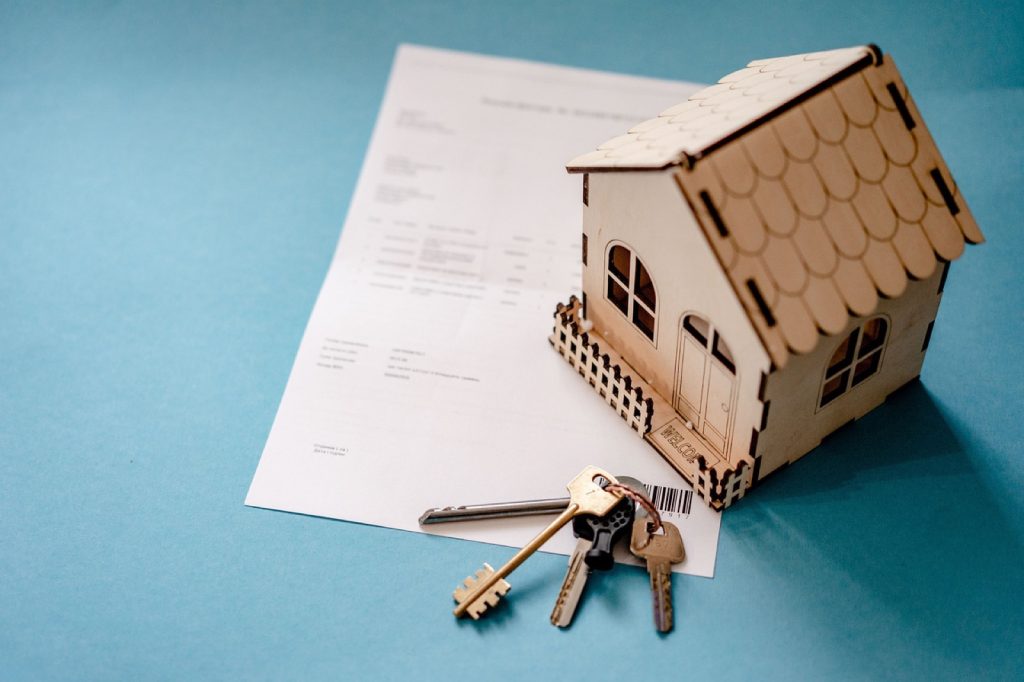
- A secured loan is backed by collateral the lender can seize if you default; an unsecured loan is backed only by your credit and your promise to repay.
- Collateral lowers the lender's risk, so a secured loan usually costs less: on a $12,000, 48-month loan, 8% instead of 16% saves about $2,260 in interest.
- Turning unsecured debt into secured debt — paying off cards with home equity, say — can move your house into the line of fire; think hard first.
Before you borrow, a lender is quietly asking one thing about you: if the payments stop, what can I take? The answer sorts almost every loan into two bins. A secured loan gives the lender a claim on something you own. An unsecured loan gives it only your credit history and your promise. That one difference runs straight through the rate you’re offered, the risk you shoulder, and whether you get approved at all.
What backs the loan, in each case
A secured loan is tied to collateral — a specific asset the lender can seize and sell if you default. A car loan is secured by the car; a mortgage by the house. A home equity loan and a HELOC are secured by the equity in your home, and many banks and credit unions also write secured personal loans backed by a savings account or certificate of deposit.
An unsecured loan pledges no asset. Most personal loans are unsecured, along with credit cards and student loans. The lender is betting on your record and your income, so a default leaves it nothing to grab — it has to chase the debt through collections and, if it comes to that, the courts. That extra exposure for the lender is the hinge the rest of this turns on.
What the collateral is worth, in dollars
The lower risk doesn’t stay abstract; it shows up on the payment schedule. Take a borrower who needs $12,000 over 48 months (figures hypothetical, rounded). Backed by collateral, the loan might come at around 8%. Unsecured, the same borrower might see something closer to 16%.
- Secured at 8%: about $293 a month, roughly $2,062 in total interest.
- Unsecured at 16%: about $340 a month, roughly $4,324 in total interest.
Same $12,000, same four years. Pledging the asset saves about $47 a month and close to $2,260 in interest over the loan. That gap is the price of the lender’s comfort — and the reward it hands you for taking on the risk of losing the thing. A lender sets your actual rate from its own rules, your credit, and the loan; these are tendencies, not promises.
The trade-off, side by side
| Secured loan | Unsecured loan | |
|---|---|---|
| What backs it | A car, home equity, or savings the lender can claim | Your credit record and promise to repay |
| Typical rate | Usually lower, because the lender risks less | Usually higher for the same borrower |
| If you can’t pay | You can lose the pledged asset outright | Collections, credit damage, possible lawsuit — but no asset pre-pledged |
| Speed and paperwork | Can run slower; the asset may need appraisal or titling | Often faster, with lighter paperwork |
| Who tends to qualify | Easier approval, and for larger sums, even with thin credit | Leans harder on solid credit and income |
One pattern runs through every row. Collateral cuts the lender’s risk, and in return you get some mix of a lower rate, a larger amount, or an easier approval. You pay for it with exposure, because the asset stays on the line the entire time.
When pledging an asset makes sense
Secured borrowing fits when the loan is really about the asset, or when a lower rate is worth the exposure. A car loan is the cleanest case: the car both secures the loan and is the reason for it. For a large home project, a home equity loan or HELOC can beat an unsecured rate, which may be worth it when the amount is big and the payoff stretches over years. And if your credit is thin, a savings-secured loan can be a deliberate way to borrow at a modest rate while you build a record.
In each of those, the real question is whether the payment fits your budget with room to spare — because the downside here isn’t only a bruised credit score, it’s losing the asset. Size the payment first; the affordability explorer helps you set that number before you commit anything to the lender.
When to borrow on your word alone
An unsecured personal loan fits when you want cash without putting an asset at stake and you qualify at a rate you can live with. Consolidating higher-rate balances, covering a one-time expense, bridging a planned gap — those are the common uses. You pay a bit more in rate than a secured option might charge, and in exchange nothing you own is committed to the lender. For how these loans are built, see how personal loans work; for what an approval turns on, what lenders look at.
The move that can cost you the house
The riskiest step in this whole area is converting unsecured debt into secured debt — most often by taking a home equity loan or HELOC to clear credit cards. On paper it can look sharp: the home-equity rate undercuts what the cards charged. But the stakes have changed under you. Card debt is unsecured, so even a bad stretch can’t cost you the roof directly. Move that balance onto your home and a future setback you might have survived with dented credit can now take the house.
That doesn’t make the move always wrong — it makes it a decision to take slowly, with the full downside in view, ideally after a talk with a nonprofit counselor. The FTC’s guidance on coping with debt and the credit-union resources at MyCreditUnion.gov, both linked below, are solid neutral starting points.
Where to go next
Our borrowing alternatives tool lays out paths that keep an asset out of the line of fire, and the loan payment calculator lets you price a secured and an unsecured version of the same amount against each other. If the loan carries a variable rate, read fixed versus variable rates before you sign. We are not a lender and can’t advise on your situation; this is background so you can ask sharper questions first.
About this guide. General information, not financial, legal or tax advice. Lenders set their own rates, fees and approval rules, and state law varies. Examples use hypothetical numbers, not offers. Last reviewed October 21, 2026.