Building Credit From Scratch: A First File That Grows
A thin or empty credit file is a starting point, not a verdict. Three kinds of account can open one, and two habits carry it from there.
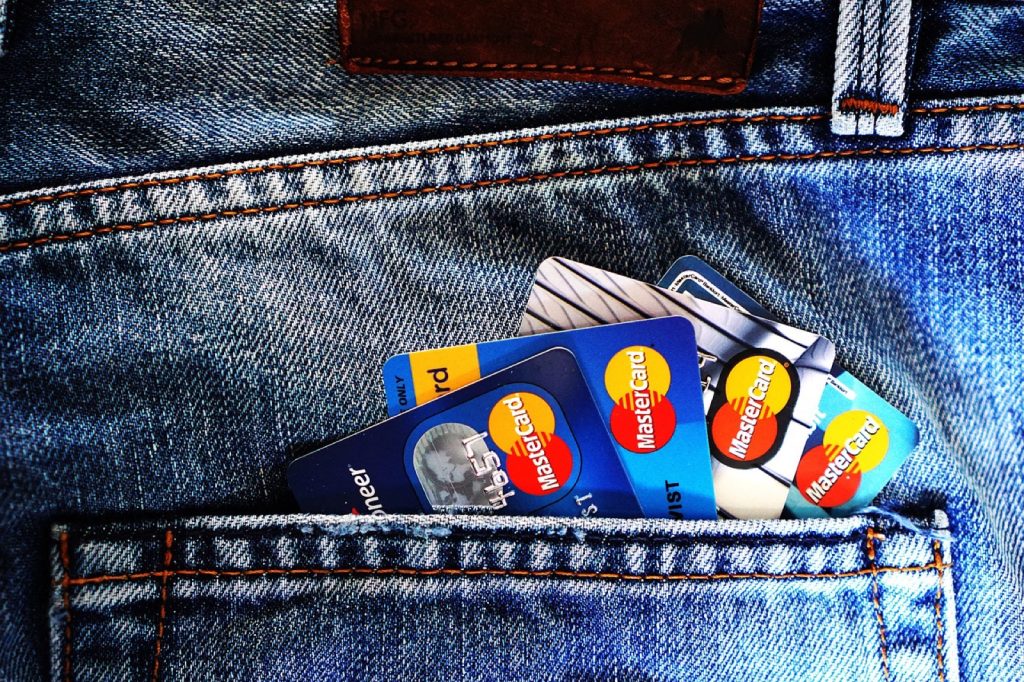
- No credit history is not bad credit; it just means a lender has nothing to read yet.
- A secured card, a credit-builder loan, or being added as an authorized user can each start a file.
- On-time payments and low balances drive most of a score once the file exists.
If you have never borrowed, a lender opens your file and finds nothing to read. That blank is easy to mistake for a strike against you, but it isn’t one. No history is not bad history — it just means there is no track record yet to predict how you’ll handle credit. Here is the read: the fix is to create a small, honest record and then feed it with two habits. You can’t rush it, but you can start it this month, and within a year a thin file can become one a lender is comfortable reading.
Why no file isn’t the same as bad credit
A credit score is a prediction, built from the record on your credit report. With no accounts reporting, there is simply not enough information to score you — many models return no score at all rather than a low one. Lenders sometimes call this being “credit invisible” or having a “thin file.” It can still get you turned down, because a lender wants evidence before it commits, but the cause is missing data, not damage. The goal, then, isn’t to repair anything. It’s to put the first few on-time payments on the record so there’s something to read.
Three accounts that can start a file
Three products are built for exactly this moment. Any one of them can open a file; some people use two at once.
A secured credit card
A secured credit card works like an ordinary card, except you put down a refundable deposit — often equal to your credit limit — that the issuer holds as a backstop. You use the card, pay the bill, and the issuer reports those payments to the bureaus like any other card. Because the deposit covers the risk, approval is within reach for someone with no history.
The trade-offs: your limit is tied up in cash you’ve handed over, and some cards carry annual or monthly fees worth checking before you sign. Look for one that reports to all three nationwide bureaus and refunds the deposit when you graduate to an unsecured card or close the account in good standing. Used lightly and paid in full, it is the most common on-ramp there is.
A credit-builder loan
A credit-builder loan runs the usual loan backwards. Instead of handing you money up front, the lender — often a credit union or community bank — parks a small sum in a locked account and has you make fixed monthly payments against it. When the term ends you receive the money, and every on-time payment along the way has been reported as installment history.
The appeal is that you can’t overspend it and the payment is fixed, so it’s a disciplined way to prove you repay on a schedule. The trade-offs: you don’t get the cash until the end, and interest or fees mean you may get back a little less than you paid in — treat that gap as the price of building the record. A late payment here hurts just as a late payment anywhere does, so only commit to an amount you can cover each month.
Being added as an authorized user
If someone you trust has a long-standing card in good shape, they can add you as an authorized user. The account’s history can then appear on your report, which can seed a file without your taking on the primary responsibility for the debt. You don’t even have to use the card — sometimes you never hold it.
The trade-offs cut both ways. The arrangement leans entirely on the primary cardholder: if they run the balance up or miss a payment, that can land on your report too. And not every issuer reports authorized-user activity to the bureaus, so confirm before counting on it. Pick a cardholder whose habits you’d want to copy, and the head start is real.
What actually moves a score
Once a file exists, a handful of factors drive the number, and they don’t weigh equally. The two heaviest, by a wide margin in most scoring models, are payment history — whether you pay on time, every time — and credit utilization, the share of your available revolving credit you’re using. After those come the age of your accounts, the mix of credit types you hold, and how recently you’ve applied for new credit.
Two things are worth saying plainly. First, the exact weightings and score ranges belong to the scoring companies, and they differ by model; anyone quoting you a precise “this adds 40 points” figure is guessing. What’s reliable is the direction: on-time payments and low balances help, missed payments and maxed-out limits hurt. Second, age and mix take care of themselves over time. You can’t manufacture an old account, and you shouldn’t open loans you don’t need just to diversify. Let those grow on their own and spend your effort on the two factors you control.
The two habits that carry it
Strip away the detail and credit building comes down to two things done consistently.
- Pay on time, every time. Payment history is the single largest factor, and one missed payment can undo months of progress, so automate at least the minimum and treat the due date as fixed. A hypothetical example: paying a $35 secured-card bill in full each month for a year builds a cleaner record than carrying a balance and paying late twice, even if the second person spent more.
- Keep balances low. Lower utilization generally helps. The habit isn’t to avoid using the card — it’s to keep what you owe small against your limit and pay it down before or at the statement date. Charging a little and clearing it is better than charging nothing, because an idle account builds the record slowly.
Everything else is a variation on these two. Get them right and the rest of the score tends to follow.
Check your reports — free
As your file forms, watch it. You can pull your report from each of the three nationwide bureaus free at AnnualCreditReport.com, and checking your own report is a soft pull that never touches your score. Confirm your new accounts are actually reporting, and read for errors — a payment logged late that you made on time, or an account that isn’t yours — because a mistake can hold back a file that’s otherwise clean. If you find one, dispute it with the bureau; it has to investigate.
A realistic timeline
This is measured in months, not days. A brand-new account usually needs a billing cycle or two before it reports, and most scoring models want roughly six months of history before they’ll generate a score at all. From there, a clean run of on-time payments and low balances tends to show steady improvement over the following months. Expect a first real score somewhere around half a year in, and meaningful strength closer to a year or two of consistent habits. A single ad promising an overnight jump is selling something; the honest version is slow, and it works.
Where to go next
Once your file is growing, it helps to know how a lender will read it. What lenders actually look at walks through the full set of inputs behind an approval, and when you’re ready to apply for your first real loan or card, the application checklist lays out the documents and numbers to have in hand. We are not a lender and give no individualized advice — but these are the moves that start a file and keep it healthy.
About this guide. General information, not financial, legal or tax advice. Lenders set their own rates, fees and approval rules, and state law varies. Examples use hypothetical numbers, not offers. Last reviewed October 21, 2026.